Why ChatGPT For KDP Fails Without Prompt Engineering
This post covers the complete framework for using ChatGPT to write KDP books that readers actually finish, helping publishers escape the trap of generic AI-generated content that triggers Amazon flags. You’ll discover the specific prompt structures, editing techniques, and category research methods that separate profitable KDP books from obvious AI slop.
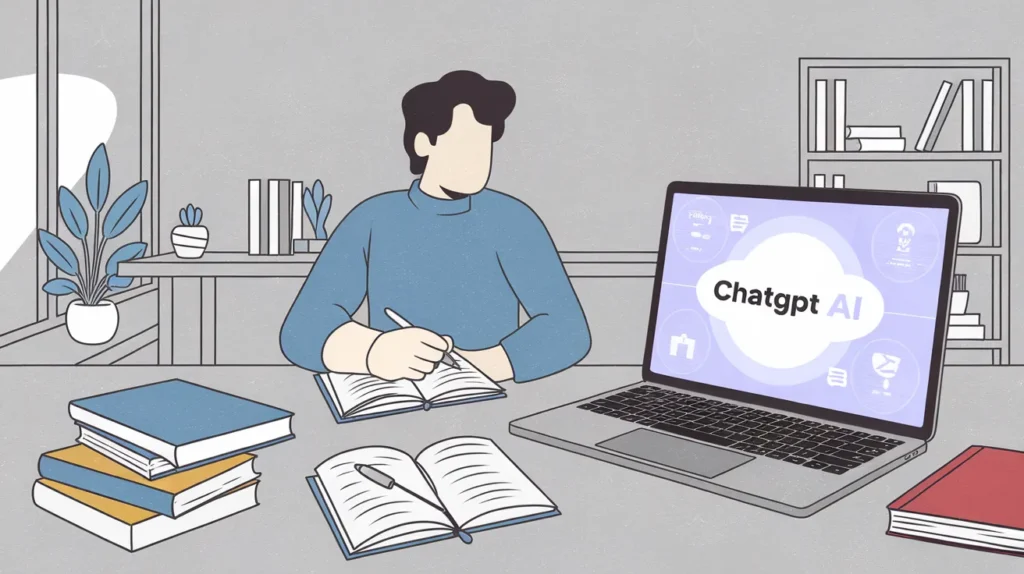
Publishers upload thousands of books daily using AI-generated content. Amazon’s detection systems catch obvious patterns. Readers leave harsh reviews when prose feels robotic or generic. Your success depends on making chatgpt for kdp work without triggering flags.
Prompt Engineering Changes Everything for Book Quality
Generic prompts produce generic books. You need specific instructions for every section you create. Start by feeding ChatGPT your book’s exact audience and purpose. Tell it the reading level you’re targeting.
Say you’re writing a recipe book for busy parents. Don’t ask for “healthy dinner recipes.” Instead, write: “Create five weeknight dinners using six ingredients or fewer. Each recipe takes under 30 minutes. Write for parents who hate following complicated steps.” The output improves dramatically.
Layer your prompts in stages. Generate the outline first. Review it. Then ask for each chapter individually. Reference previous sections so the content connects naturally. This prevents the disjointed feeling many AI books have.
Include style instructions in every prompt. Specify sentence length. Request simple words over complex ones. Ask for active voice. These details separate readable books from obvious AI slop.
Test different prompt variations before you commit. Generate three versions of the same chapter. Pick the best parts from each. Combine them into something stronger than any single output.
Using ChatGPT for KDP Means Knowing What to Edit
ChatGPT repeats phrases across different sections. It loves certain transition words. Readers notice these patterns instantly. Your editing job is catching what the AI can’t self-correct.
Run a search for common AI tells. Look for “it’s important to note” or “in conclusion” or “it’s worth mentioning.” Delete every instance. These phrases add nothing. They make your book feel automated.
Check for factual errors before you publish. ChatGPT invents statistics when it doesn’t have real data. It creates plausible-sounding research studies. You need to verify every claim manually. One false fact destroys reader trust.
Read your manuscript aloud. AI writing often looks fine on screen but sounds wrong when spoken. You’ll hear the repetitive rhythm. You’ll catch awkward phrasing your eyes skipped over.
Add personal examples the AI couldn’t know. Insert specific details about your topic. These human touches make the difference between a book readers finish and one they refund.
Category Selection Beats Content Volume
Publishers think more books equal more income. They generate ten titles in a weekend. Most never sell because they picked crowded categories.
Research categories before you write anything. Look for niches with under 5,000 competing books. Check the bestseller ranks of top performers. You want categories where rank 10 still shows decent sales.
Use ChatGPT to analyze category opportunities. Paste in the top 20 titles from a niche. Ask it to identify content gaps. Look for subtopics nobody covers well yet.
Narrow your focus until it feels almost too specific. A book about container gardening competes with thousands. A book about growing tomatoes in apartments under 400 square feet competes with dozens. Guess which one Amazon’s algorithm can actually place?
Target three categories when you publish. Amazon lets you pick two during upload. Contact support to add a third. This triples your chances of showing up in browse searches.
The Backend Keywords Most Publishers Waste
You get seven keyword boxes during KDP upload. Each box holds about 50 characters. Most people repeat their title words here. Total waste of space.
Use ChatGPT to generate long-tail search terms. Give it your book topic. Ask for phrases people actually type when searching Amazon. Avoid single words. They’re too competitive.
Include common misspellings in your keyword boxes. Readers searching for “Mediterranean diet” often type “Mediteranean diet” or “Meditteranean diet.” Amazon matches these variations to your book.
Add synonyms your title doesn’t contain. If your title says “anxiety relief,” use keywords like “worry reduction” and “stress management techniques.” Cover different ways people search for the same solution.
Never duplicate words across your seven boxes. If “gluten free” appears in box one, don’t use it in box two. Amazon reads all boxes together. Repetition doesn’t increase visibility.
Cover Design Signals Quality Before Content Does
Readers judge your book in under three seconds. The cover either looks professional or screams “cheap AI project.” No amount of good content fixes a bad first impression.
ChatGPT can’t design covers. It can suggest design elements based on bestsellers. Ask it to analyze top covers in your category. Request a list of common visual patterns.
Hire a real designer for your cover. Budget $100 minimum. This isn’t where you save money. A professional cover increases your click-through rate by 400% compared to amateur designs.
Your subtitle does heavy lifting on the cover. It tells browsers exactly what the book delivers. Make it specific. “Simple Recipes for Beginners” converts better than “A Cooking Guide.”
Test your cover thumbnail at actual Amazon size. Shrink it down to 160 pixels tall. Can you still read the title? Does it stand out? If not, simplify the design.
Pricing Strategy Affects Visibility More Than Sales
Amazon’s algorithm favors books priced between $2.99 and $9.99. Price too low and you look like junk. Price too high and browsers skip past you.
Start at $4.99 for most non-fiction books under 150 pages. This hits the sweet spot for impulse purchases. Readers don’t overthink spending five dollars on something useful.
Use ChatGPT to analyze competitive pricing in your niche. Give it the top 20 titles and their prices. Ask for the median price point. Stay within one dollar of that number.
Run a launch promotion at $0.99 for three days. This generates initial sales velocity. Amazon notices the activity. Your book climbs the category rankings faster.
Raise your price after the promotion ends. Jump straight to your target price. Don’t gradually increase it. The contrast between launch price and regular price creates perceived value.
Review Generation Starts Before Publication
Books without reviews don’t sell. Amazon buyers scroll past zero-review titles automatically. You need at least five reviews before organic sales kick in.
Build an advance reader team before you publish. Offer free copies in exchange for honest reviews. Send out 20 copies. Expect five actual reviews back.
Use ChatGPT to draft your reader outreach emails. Give it details about your book topic and target audience. Ask for three email variations. Test which one gets the best response rate.
Follow up with readers who don’t review within two weeks. Send a gentle reminder. Some people forget. A simple nudge brings in half of your missing reviews.
Never pay for reviews. Amazon catches purchased review patterns. They delete the reviews. They ban the accounts involved. Not worth the risk.
Create a reader magnet to build your review team. Offer a free related resource on your website. Collect email addresses. These people become reviewers for future books.
Frequently Asked Questions
Can Amazon detect books written with ChatGPT?
Amazon doesn’t ban AI content but flags obvious patterns. Heavy editing and human input prevent detection. Your book needs to pass human quality standards regardless of creation method.
How many books should I publish per month using ChatGPT?
Quality beats quantity in 2026. Publish one well-researched book monthly rather than ten rushed titles. Amazon rewards books that get positive reader engagement over volume spam.
Do I need to disclose AI use on my KDP books?
Amazon requires disclosure for AI-generated text starting in 2024. Check the content guidelines box during upload. Failure to disclose can result in account termination.
What book length works best for ChatGPT-assisted publishing?
Aim for 25,000 to 35,000 words for non-fiction. This length provides enough value without overwhelming readers. Fiction needs 50,000 words minimum to meet genre expectations.
Can I use ChatGPT for book descriptions and ad copy?
ChatGPT excels at marketing copy when you provide specific prompts. Give it your target reader profile and book benefits. Edit the output to match your authentic voice.
Start your next KDP book by writing a detailed prompt document before generating any content.